Condition · 7 minute read
How to read a condition report in four minutes
The grade is the least informative number on the page. Here is the order to read it in.
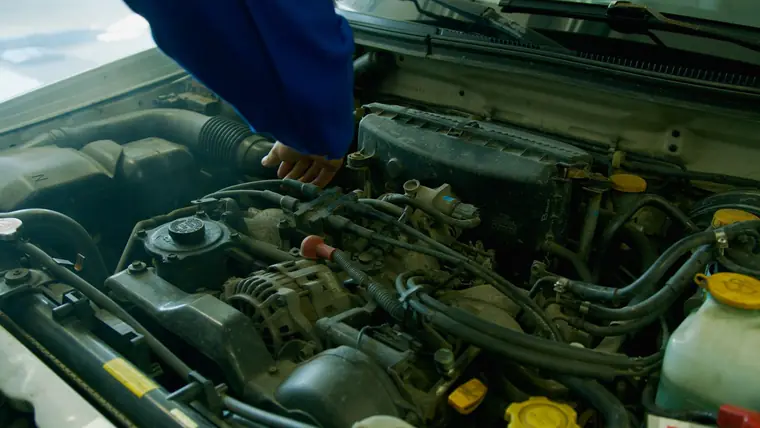
A condition report is not written to be read front to back, and reading it that way is how people end up bidding on the grade alone.
Start with the limitations
Every report should say what the inspector could not assess. Underseal on a chassis, a car that would not start, a panel repainted last month, a vehicle we were not able to lift.
A report with no limitations section is either a very clean car or an incomplete inspection, and you want to know which.
Then the diagram, not the list
The plan view shows you the shape of a car's history at a glance. Damage clustered at one corner reads differently from damage scattered across four panels, and neither reads like damage down the centreline.
Then the announcements
These are the only lines with legal weight under an amber light. Read them as the boundary of what you can dispute.
Then the grade
By now the number should not surprise you. If it does, one of you has misread something, and it is worth finding out which.
- Odometer status matters more than the number. "Not actual" and "exceeds mechanical limits" mean the reading is not the distance.
- Tyre date codes tell you when a set was fitted, which tells you something tread depth never will.
- A car with two keys and a service book is a different proposition from the same car with one key and nothing.